Selecting the Best Asphalt Contractor: Keys to Quality Pavement Solutions
Selecting the right asphalt contractor is essential for attaining lasting pavement solutions. A professional contractor not only ensures durability but also complies with industry standards and safety regulations. Numerous factors affect this decision, from verifying credentials to evaluating estimates. Engaging in clear communication can considerably benefit the selection process. However, understanding where to start can be overwhelming. What actions should one take to secure a successful partnership?
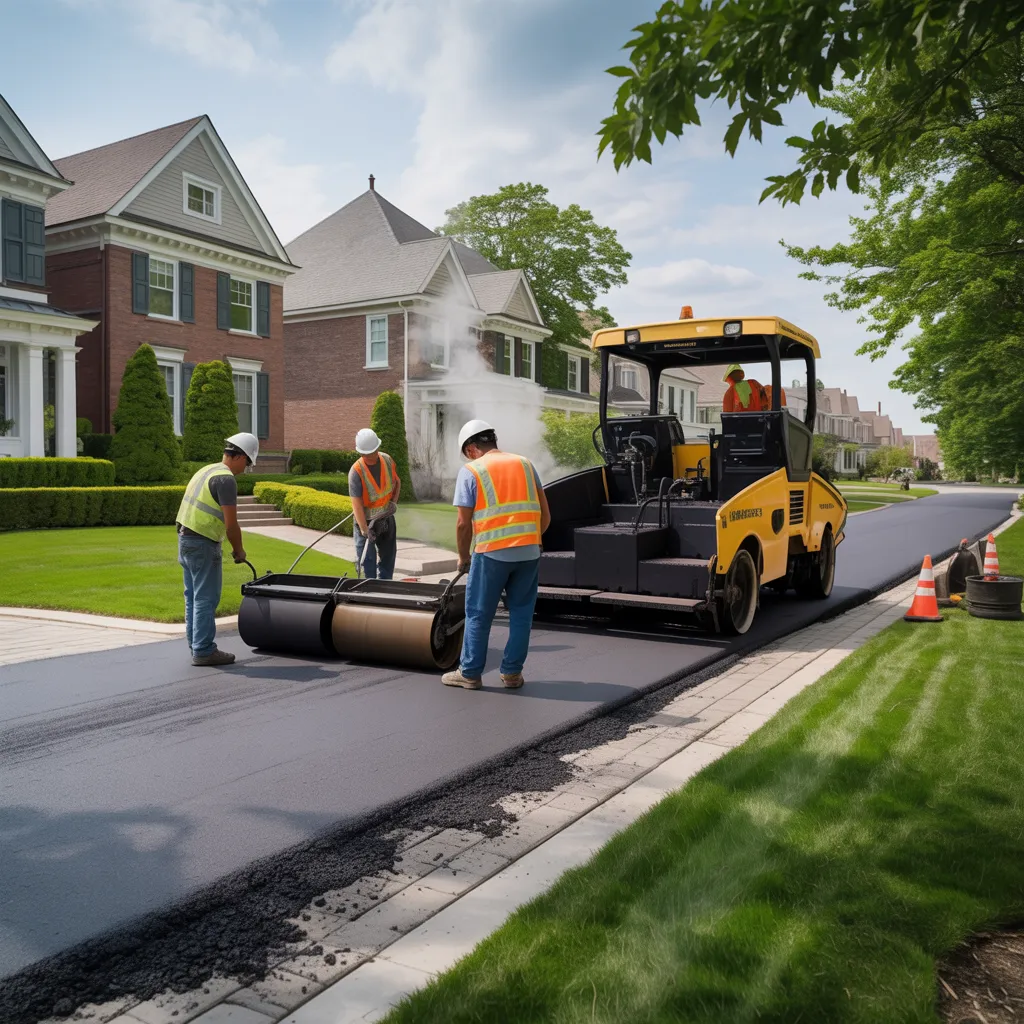
Exploring the Significance of Selecting a Reliable Asphalt Contractor
When thinking about a paving project, grasping the significance of choosing a reputable asphalt contractor is vital. A professional contractor not only guarantees the proper installation of asphalt but also promotes the longevity and safety of the pavement. Quality materials and expert techniques are essential in preventing issues such as cracks and surface degradation. Furthermore, an seasoned contractor is likely to follow industry standards, enhancing overall project efficiency.
In addition, a qualified contractor will deliver detailed estimates and timeframes, enabling clients to plan with confidence. Their experience can also aid in identifying the best materials designed for unique environmental requirements. In addition, hiring a competent contractor can foster clearer communication across all project phases, preventing costly misunderstandings. When all is said and done, investing time in choosing the right asphalt contractor can result in substantial long-term cost savings, providing a sturdy and attractive pavement option that fulfills the project's specific needs.
Critical Attributes of a Reputable Asphalt Contractor
A dependable asphalt contractor displays several essential qualities that set them apart from competitors. For starters, they possess extensive industry experience, which reflects their capacity to manage a wide range of projects successfully. This expertise often produces exceptional craftsmanship and a thorough knowledge of materials and methods.
In addition, a reliable contractor emphasizes transparent communication, ensuring that clients are informed throughout the project's progress. They supply complete estimates, timelines, and are available for addressing any questions or challenges.
Moreover, a focus on premium materials is vital; established contractors obtain superior-grade asphalt and complementary products to provide durability. They likewise follow safety protocols and standards, safeguarding both their crew and the property of their clients.
Ultimately, a solid standing, reinforced by glowing reviews and customer feedback, clearly demonstrates the reliability of a contractor. Together, these qualities assist in making a knowledgeable selection when identifying the best asphalt contractor for asphalt pavement solutions.
How to Locate Qualified Asphalt Contractors
Finding qualified asphalt contractors requires careful evaluation of their credentials and experience. It is essential to request references and evaluate their past work to ensure superior craftsmanship. By following these steps, property owners can make informed decisions when selecting a contractor.
Verify Credentials And Experience
Verifying credentials and experience is essential for selecting a qualified asphalt contractor. Future clients should first confirm that the contractor maintains the appropriate licenses and certifications demanded by local and state requirements. This confirms that the contractor operates in accordance with industry standards and procedures. Furthermore, examining the contractor's background in different asphalt projects can offer valuable insights into their skill and dependability. Contractors with an established history of completed projects are generally more prepared to address obstacles that could surface throughout the job. Furthermore, inquiring about any specialized training or ongoing education in asphalt technology can further indicate a contractor's commitment to quality work. Ultimately, careful verification supports making a knowledgeable decision, lowering the risks connected with paving projects.
Request References
Once you have confirmed the contractor's credentials and experience, the following step includes asking about referrals. This essential practice allows interested parties to gauge the contractor's consistency and standard of work. A reliable asphalt contractor should promptly present a list of previous clients who can vouch for their services. It is strongly suggested to reach out to these references personally to learn about their interactions, focusing on aspects such as timeliness, professionalism, and overall satisfaction. Presenting focused questions can offer useful details, helping to assess if the contractor suits the project's needs. In addition, examining online reviews and feedback can additionally guide the decision-making process. At the end of the day, extensive reference evaluations contribute to selecting a qualified contractor for optimal paving results.
Examine Previous Work
What is the best way to evaluate an asphalt contractor's capabilities? Reviewing past work is a critical part of this process. Prospective customers are encouraged to ask for a portfolio of finished projects, revealing the contractor's skill level and commitment to excellence. Examining a range of project types, from private driveways to large commercial lots, can provide insight into their versatility and experience. An on-site inspection of finished projects, where possible, enables a direct assessment of the pavement's condition and durability. Moreover, obtaining references and reviews from former customers about the contractor's past performance provides valuable insights into their dependability and professional conduct. In the end, a comprehensive review of past projects supports a well-informed choice when selecting an asphalt contractor.
Important Questions to Ask Your Asphalt Contractor?
When choosing an asphalt contractor, it is important to ask targeted questions that reveal their expertise and credentials. Furthermore, knowing the estimated timeline and expenses can help guarantee the project meets expectations. Discussing these essential factors can lead to a more informed decision and a more efficient installation experience.
Experience and Professional Credentials
Selecting an asphalt contractor demands careful assessment of their qualifications and experience. Prospective clients should inquire about the contractor's tenure in the field, as extensive experience often correlates with consistent quality results. Additionally, understanding the kinds of projects handled in the past can shed light on the contractor's expertise. Prospective customers should seek information regarding any training or certifications the contractor or their crew has completed, as these credentials can enhance the standard of work delivered. Asking for references from previous customers can further validate the contractor's reputation and reliability. In the end, a contractor with a demonstrated history of accomplished work and pleased clientele is more likely to provide premium asphalt services customized to unique project demands.
Project Schedule and Expenses
Understanding the timeline of the project and associated costs is crucial for clients pursuing asphalt services. To ensure clarity, clients should inquire about the projected timeframe of the project, including potential delays due to weather or material availability. Additionally, it is essential to ask for a comprehensive overview of costs, including labor, materials, and any extra charges. Clients should also discuss payment schedules and the contractor's guidelines regarding unforeseen expenses. By comprehending these factors, clients can better assess the worth of the services provided and make informed decisions. Moreover, establishing clear communication explore here about timelines and costs strengthens relationships between clients and contractors, ultimately leading to a smoother project experience.
Understanding Asphalt Estimates
How can one effectively interpret an asphalt estimate? Being familiar with the parts of an estimate is key to making educated decisions. An asphalt estimate commonly details material costs, labor expenses, and supplementary charges like equipment rental and site preparation. Each item should be clearly itemized, allowing for easy comparison between different contractors.
A comprehensive estimate contains information about the asphalt type, depth, and any necessary prep work, such as drainage solutions or grading. This openness helps customers gauge the quality of materials proposed and the thoroughness of the contractor's methods.
In addition, it is essential to reflect on the anticipated schedule for the project's completion, as hold-ups often bring about unforeseen costs. Clients should also inquire about warranties or guarantees included in the estimate, as these can reflect the professional's belief in their workmanship. Ultimately, a well-structured estimate functions as a critical resource for assessing potential asphalt contractors successfully.
Identifying Red Flags in Asphalt Contractors
What warning signs should a person identify when vetting asphalt contractors? Multiple cautionary signals may suggest concerns when choosing a contractor. To begin with, the absence of a physical business address or a professional website may indicate instability or a lack of experience. Additionally, when a contractor hesitates to offer references or prior project samples, proceeding with caution is recommended.
A further issue emerges when a contractor requests complete payment in advance, as this could suggest a lack of reliability. Moreover, vague or unclear estimates may suggest undisclosed fees that could cause the budget to balloon.
Finally, undue urgency to execute a contract rapidly is a significant cause for concern; trustworthy contractors give clients adequate time to consider their options. By being vigilant about these warning signs, building owners can more confidently oversee the selection process and steer clear of potential problems in their asphalt undertakings.
Tips for Effective Communication With Your Contractor
Building strong communication is essential for a strong working relationship with an asphalt contractor. Initially, clients should communicate their project goals, timeline, and budget from the outset. This transparency enables the contractor to provide accurate estimates and timelines. Regular updates are important; clients should schedule check-ins to discuss progress and address any concerns. Maintaining open lines of communication fosters trust and guarantees that both parties are aligned.
Furthermore, clients are advised to keep written records of all agreements and changes, which helps avoid misunderstandings down the line. Using visual aids, including diagrams or images, can help improve overall clarity. Clients will benefit greatly from asking questions and requesting clarification on technical terms or processes. An attentive contractor will value this level of engagement and is more likely to produce quality results. Ultimately, open and effective communication paves the way for a more efficient project and a final result that fulfills the client's expectations.
Questions We Often Receive
What Types of Asphalt Services Do Contractors Typically Offer?
Contractors typically offer a variety of asphalt-related services, including repair, installation, sealing, resurfacing, and striping. These services cater to various needs, guaranteeing adequate upkeep and durability of asphalt areas for commercial and residential properties.
How Long Does Asphalt Pavement Generally Last?
Asphalt pavement typically lasts anywhere from 15 to 20 years, depending on factors such as weather conditions, traffic volume, and upkeep routines. Regular upkeep can extend its lifespan, maintaining excellent performance and visual appeal for years to come.
Is It Possible to Pave Over Current Asphalt?
It is entirely possible to pave over existing asphalt, given that the base surface is in a sound condition. Proper preparation, including cleaning and repairing cracks, is essential for ensuring the new layer bonds effectively and lasts longer.
What Weather Factors Influence Asphalt Installation?
Climatic conditions have a major effect on asphalt installation. Ideal temperatures range from 50°F to 90°F. Rain, extreme heat, or cold can hinder adhesion and curing, potentially leading to cracking or inadequate bonding, which can diminish the final pavement quality.
How Can I Maintain My Asphalt Pavement Effectively?
To preserve asphalt surfaces effectively, routine sealing, prompt crack repairs, adequate drainage, frequent cleaning, and limiting heavy loads are essential. These methods improve durability, reduce damage, and prolong the lifespan of the pavement.