Selecting the Best Asphalt Contractor: Keys to Quality Pavement Solutions
Choosing the right asphalt contractor is essential for attaining long-term pavement solutions. A professional contractor not only delivers durability but also complies with industry standards and safety regulations. Several factors contribute to this decision, from confirming credentials to understanding estimates. Practicing clear communication can greatly improve the selection process. However, determining where to start can be challenging. Which steps should be prioritized to achieve a successful partnership?
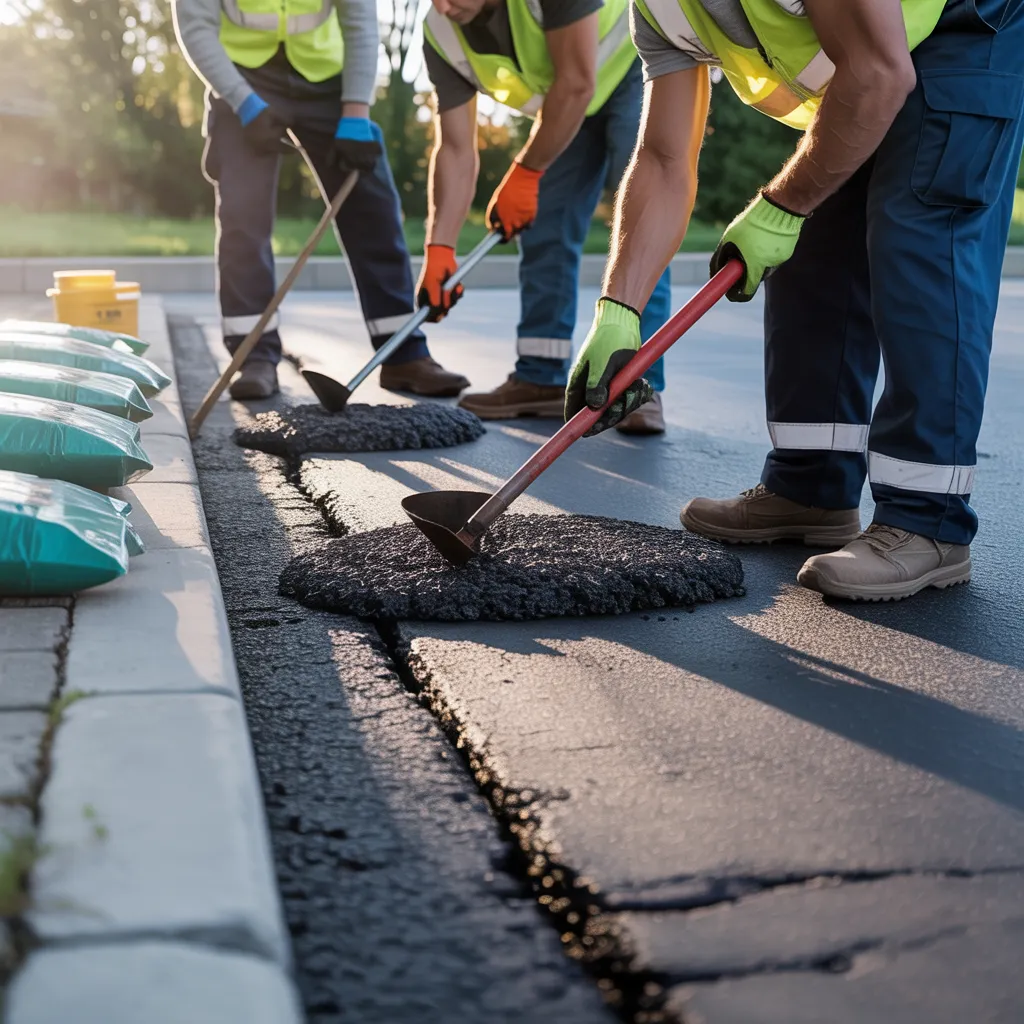
Understanding the Importance of Hiring a Quality Asphalt Contractor
When thinking about a paving project, understanding the importance of hiring a quality asphalt contractor becomes crucial. A skilled contractor not only secures the proper installation of asphalt but also promotes the longevity and safety of the pavement. Quality materials and expert techniques are essential in preventing issues such as cracks and surface degradation. Additionally, an seasoned contractor is likely to adhere to industry standards, enhancing overall project efficiency.
Additionally, a trusted contractor will provide accurate estimates and timelines, helping clients plan effectively. Their understanding can also assist in selecting the right materials tailored to particular environmental factors. In addition, hiring a skilled contractor can result in improved communication during the project, preventing costly misunderstandings. In the end, taking the time to select the ideal asphalt contractor can lead to significant long-term savings, ensuring a durable and aesthetically pleasing pavement solution that fulfills the project's specific needs.
Essential Qualities of a Reliable Asphalt Contractor
A dependable asphalt contractor showcases several key qualities that differentiate them from others in the field. To begin, they have vast industry knowledge, which demonstrates their capability to manage a wide range of projects successfully. This expertise often leads to outstanding quality of work and a strong grasp of industry materials and practices.
In addition, a reliable contractor emphasizes effective communication, assuring that clients are updated throughout the entire project. They provide detailed estimates, timelines, and are willing to addressing any queries or worries.
In addition, a dedication to high-quality materials is vital; reputable contractors acquire top-grade asphalt and accompanying materials to provide durability. They likewise follow safety protocols and standards, safeguarding both their crew and their client's premises.
Ultimately, an established track record, supported by favorable reviews and client testimonials, further indicates a contractor's reliability. These qualities collectively help in making an informed choice when choosing the ideal asphalt contractor for asphalt pavement solutions.
How to Locate Qualified Asphalt Contractors
Identifying reputable asphalt contractors necessitates a detailed review of their background and skills. It is essential to request references and evaluate their past work to ensure superior craftsmanship. By applying these measures, property owners can reach well-informed conclusions when hiring a contractor.
Check Credentials And Experience
Checking credentials and experience is crucial for choosing a skilled asphalt contractor. Future clients should first confirm that the contractor maintains the appropriate licenses and certifications demanded by local and state requirements. This confirms that the contractor operates in accordance with industry standards and procedures. Additionally, reviewing the contractor's experience in various asphalt projects can provide insights into their expertise and reliability. Contractors who have demonstrated consistent success in past projects are typically more capable of managing difficulties that might emerge during the work. Additionally, asking about any advanced training or continuing education in asphalt technology can serve as a strong indicator of a contractor's dedication to delivering quality results. Ultimately, careful verification supports making a knowledgeable decision, lowering the risks connected with paving projects.
Ask for References
After validating the contractor's qualifications and expertise, the next step involves asking about referrals. This important step allows interested parties to assess the contractor's consistency and standard of work. A reputable asphalt contractor should promptly present a list of prior customers who can speak to their services. It is advisable to reach out to these references personally to inquire about their experiences, focusing on considerations such as timeliness, professionalism, and overall satisfaction. Posing targeted questions can yield valuable insights, helping to determine if the contractor aligns with the project's needs. Moreover, reviewing online ratings and testimonials can also enhance the decision-making process. Ultimately, detailed client inquiries contribute to finding a competent contractor for ideal pavement solutions.
Evaluate Previous Projects
How does one accurately assess an asphalt contractor's capabilities? Evaluating previous projects is essential in this assessment. Prospective customers are encouraged to ask for a portfolio of finished projects, revealing the contractor's skill level and commitment to excellence. Observing various project types, such as residential driveways or commercial parking lots, helps illustrate the breadth of their knowledge and capabilities. It is also beneficial to visit some of these sites, if possible, to assess the quality and durability of the pavement. Additionally, seeking client testimonials about the contractor's performance on past projects can reveal important information regarding reliability and professionalism. Ultimately, a thorough evaluation of previous work aids in making an informed decision about hiring an asphalt contractor.
Essential Questions to Ask Your Asphalt Contractor?
When choosing an asphalt contractor, it is crucial to raise focused inquiries that reveal their experience and qualifications. Moreover, understanding the projected timeline and costs can help guarantee the project aligns with the desired outcomes. Discussing these essential factors can lead to a better-informed choice and a more efficient installation experience.
Background and Qualifications
Selecting an asphalt contractor necessitates careful evaluation of their experience and qualifications. Potential clients should look into the contractor's years in the industry, as extensive experience often translates to consistent quality results. Moreover, learning about the kinds of projects handled in the past can offer a glimpse of the contractor's capabilities. It is also important to inquire about any certifications or training the contractor or their crew has obtained, as these professional achievements can improve the quality of the work performed. Requesting references from past clients can further validate the contractor's reputation and reliability. In the end, a contractor with a established record of successful projects and satisfied customers is well-equipped to provide premium asphalt services tailored to specific needs.
Project Schedule and Expenses
Grasping the project schedule and associated costs is essential for clients pursuing asphalt services. To ensure clarity, clients should inquire about the projected timeframe of the project, including potential delays due to weather or material availability. Additionally, it is necessary to ask for a thorough itemization of costs, including labor, materials, and any extra charges. Clients should also address payment schedules and the contractor's policy on unforeseen expenses. By understanding these factors, clients can more accurately evaluate the quality of the work delivered and arrive at educated choices. Moreover, establishing clear communication about schedules and expenses strengthens relationships between clients and contractors, ultimately leading to a smoother project experience.
Breaking Down Asphalt Estimates
How can one effectively interpret an asphalt estimate? Being familiar with the parts of an estimate is key to making educated decisions. Generally, an asphalt estimate includes material costs, labor fees, and extra charges such as equipment rental and site preparation. Every component should be thoroughly listed, enabling straightforward comparison among various contractors.
A comprehensive proposal includes details about the type of asphalt, layer thickness, and any essential preparations, such as grading, leveling, or drainage solutions. This transparency helps property owners evaluate the quality of the proposed materials and the diligence of the contractor's approach.
Furthermore, it is essential to reflect on the anticipated schedule for project completion, as delays can lead to unexpected expenses. Customers are encouraged to ask about service warranties or assurances provided with the estimate, as these can indicate the contractor's confidence in their work. Ultimately, a well-structured estimate stands as a fundamental means of examining prospective asphalt professionals successfully.
Detecting Warning Signs Among Asphalt Contractors
What signs should one look for when evaluating asphalt contractors? A number of warning signs may point to problems when selecting a contractor. To begin with, the absence see here of a physical business address or a professional website may indicate instability or a lack of experience. Furthermore, if the contractor is unwilling to provide references or past project samples, caution is warranted.
Another warning sign surfaces when a contractor demands the entire payment beforehand, as this may signal a lack of reliability. Additionally, ambiguous or imprecise estimates may signal unexpected charges that could cause the budget to balloon.
Finally, being pressured to sign a contract hastily is a serious red flag; reputable contractors allow clients time to make informed decisions. By staying alert to these red flags, homeowners can more effectively manage the contractor selection process and sidestep common hazards in their asphalt work.
How to Communicate Effectively With Your Contractor
Developing effective communication is key for a successful partnership with an asphalt contractor. To begin, clients should clearly express their project goals, timeline, and budget from the outset. This honesty permits the contractor to generate accurate quotes and timeframes. Frequent updates are crucial; clients should organize discussions to monitor progress and handle any problems. Keeping communication channels open builds trust and ensures that both parties remain on the same page.
Additionally, it is important for clients to record all agreements and modifications in writing, which helps avoid misunderstandings down the line. Making use of visual references, such as diagrams or photos, may also add greater clarity. It is beneficial for clients to ask questions and seek clarification on technical terms or processes. A professional contractor will welcome this involvement and will be better positioned to deliver superior results. Ultimately, effective communication can lead to a smoother project experience and a finished product that meets the client's expectations.
Commonly Asked Questions
What Types of Asphalt Services Can You Expect from Contractors?
Contractors generally provide a variety of asphalt-related services, which include installation, repair, resurfacing, sealing, and striping. These solutions are designed for a wide range of needs, guaranteeing adequate upkeep and durability of asphalt areas for both residential and commercial properties.
What Is the Typical Lifespan of Asphalt Pavement?
Asphalt pavement typically lasts 15 to 20 years, depending on factors such as climate, traffic load, and maintenance practices. Routine care can increase its durability, guaranteeing optimal function and aesthetics throughout the years.
Is It Possible to Pave Over Current Asphalt?
Yes, paving over existing asphalt is possible, provided the underlying surface is in good condition. Adequate preparation, which involves cleaning and addressing cracks, is vital to guaranteeing the new layer bonds securely and delivers lasting results.
How Do Weather Conditions Affect Asphalt Installation?
Weather conditions greatly impact asphalt installation. The optimal temperature range falls between 50°F and 90°F. Wet conditions, intense heat, or cold weather can interfere with adhesion and curing, possibly causing cracks or insufficient bonding, ultimately affecting pavement quality.
How Can I Maintain My Asphalt Pavement Effectively?
To preserve asphalt surfaces properly, consistent sealing, prompt crack repairs, proper drainage, frequent cleaning, and avoiding heavy loads are essential. These practices improve durability, prevent damage, and increase the lifespan of the surface.